One Night the Moon
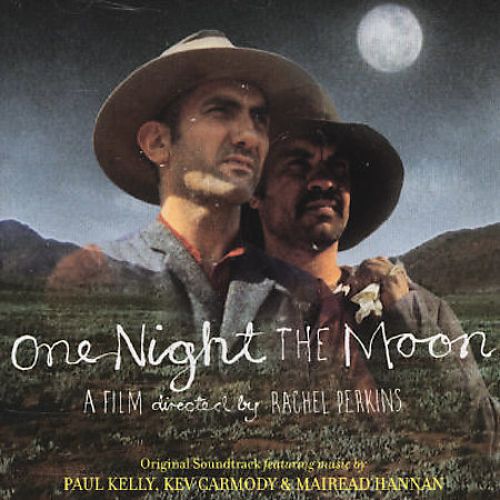
Composers, through their various textual forms and language, create compelling and didactic messages representing the complexity of issues surrounding the themes of identity and culture. Rachel Perkins’, musical drama, One Night the Moon (2001), articulates many concepts, in particular, an individual’s relationship with the landscape. This is established with the unique fusion of cinematography and ethnomusicology; interpreting the cultural spirituality and historical antipathies as an expression of Indigenous and Non-Indigenous interpretation of the land. Through this representation, Perkins also speaks of generational hope and the rekindling of respect for the ancient wisdom of the Indigenous people. The language of One Night the Moon is also potent in illustrating cultural differences between Aboriginal and non-Aboriginal people, which manifested from an unspoken fear felt by non-Aboriginal people in early colonial times, and the rejection of Aboriginal knowledge of the land. Perkins enables her audience to reflect on what shapes their individual and collective identities, affirming or challenging the prevailing assumptions and beliefs they might have about themselves and others.
The plot of One Night the Moon is based upon true events that occurred during the year 1932, in a homestead in the Flinders Ranges. Singer/songwriter Paul Kelly plays the character of Jim, a white farmer who protects his property by the rule of a rifle; lives with his wife, Rose, and daughter, Emily.
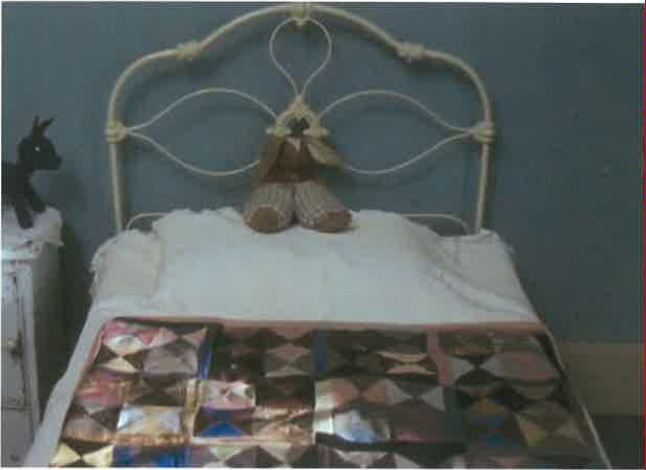
In an earlier scene named ‘Lullaby,’ responders are privy to how Jim’s young daughter, Emily decides to follow the light of the moon, disappearing into the vast wilderness of outback Australia. This scene demonstrates Emily’s inquisitive relationship with the landscape, her imagination is sparked by a bedtime song called ‘Lullaby’ that she sings with her mother: “One night the moon came a-galloping by / On a big horse right across the night sky / Called all the dreamers to come for a ride.” It is a scene of perfect domestic bliss: close-up shots emphasise Emily’s and Rose’s smiles; notably, the inclusion of the teddy bear suggests security; and the gentle, simple accompaniment and low, warm lighting create a sense of contentment. The pivotal movement, captured by a slow-motion shot of Emily following the light of the moon, viewers are reminded of the true events that occurred in the 1900s, involving an enchantingly eerie disappearance of two girls on Valentine’s Day. The following morning, Rose and Jim discovered Emily missing, the turbulent scene is characterized by panicked yelling, chaotic camera shots and energetic music. Later, the reality of losing a child takes its toll in Jim’s family, for the worst.

The child’s response to the landscape is one driven by dreams, spontaneity, warmth and lack of judgement.
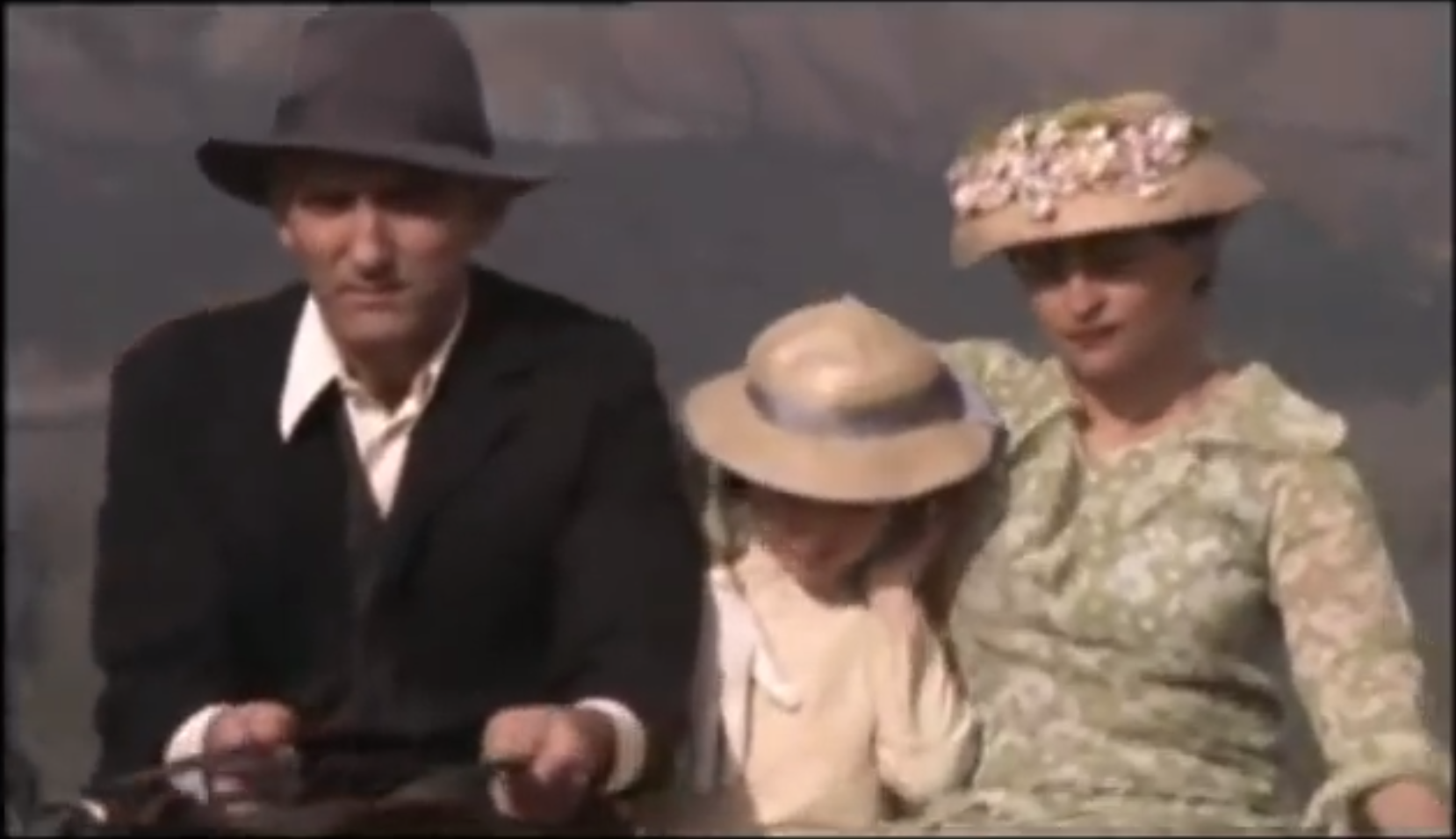
Within the film, Perkins also speaks of how a child, unrestrained by cultural conditioning can provide a generational hope. This is presented through the image of Rose and Emily; showcasing the innate bond between mother and daughter, one of which that cannot be obtained by a father. A shared moment on the way to church establishes the unique bond Rose shares with Emily; as they exchange secrets, the camera captures Jim’s glance; a realisation that he cannot share in this uniquely female bond; he is the outsider. This is followed by an Aboriginal family that passes on foot, that is identified as Albert’s family. The presentation of both families travelling along the road, signifies the distinct cultural authority they have over the land, Perkins captures this with a low-angle shot placing Rose’s family in a position of superiority and power, and a high-angle shot emphasising Albert’s family’s vulnerability. Notably, Rose and Jim’s rigid posture and gaze, fixed on the road ahead, reveals their distaste towards Indigenous people through their lack of acknowledgement. Whilst Emily has momentary eye contact with Albert, oblivious to their racial differences, in conjunction with a wave of hands with Alberts daughter, demonstrating the potential for children to establish a new relationship with Aboriginal people. The poignancy of that moment is highlighted by a deliberate slow-motion of the exchange, arguing the hope that the next generation must not harbor the same distinct resentment as Emily’s parents has towards Indigenous people; a letting go of the past.
The land might seem wild, disordered and impossible to navigate to the European eye, but it conveys patterns and messages to the educated eye.

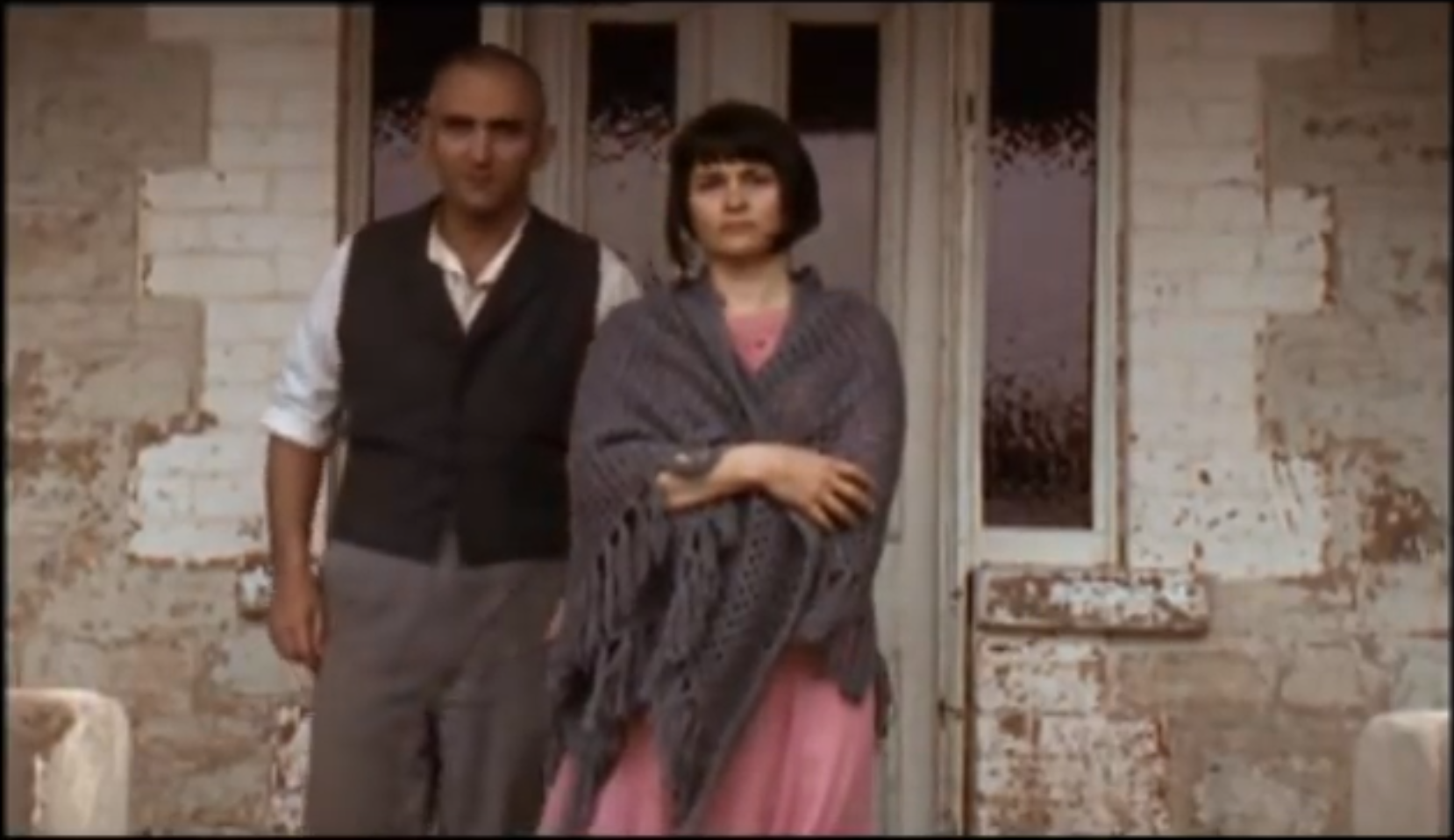
Through the disappearance of Emily, Perkins pays her respect to the ancient wisdom of the Aboriginals about their land. This is expressed through the gradual relationship breakdown between Rose and Jim for not being able to find Emily. Perkins characterises Rose as a wife fulfilling a traditional role of making tea and baking, showing her lack of involvement in the search for her daughter. As the day’s past, Rose’s faith towards her husband’s abilities diminish, exemplified through how Perkins has framed her sitting on the verandah, with a stoic face, lost in thought and by a desolated setting. The scene unadorned Rose; her emotions as bleak as the deserted landscape propagating her encultured faith in God is ebbing away, so too is her faith in Jim reflected in his, “I know what you’re thinking,” and his violent lifting of the kitchen table, a gesture designed to reflect the instability of their family unit. Rose is often seen wrapped in a shawl as if she’s in need of protection, leaving us to question whether it is the landscape she needs protecting from or the pervasive beliefs of her culture and those of her husband that is keeping her from finding her daughter. As she sits staring out at the horizon her direct gaze echoes her gaze on the road to Church in the early scenes of the film, when her view of the world was fixed and known.
Conclusively, the language expressed by Rachel Perkins throughout One Night the Moon explore the apparent differences in identity and culture held in a land, is reliant in their individual heritage and background. At the same time, Rachel Perkins explores the child’s innocent, spontaneous imagination, reminding us that our early reactions to the landscape are those of wonder, awe, and beauty, but is the responsibility of adults to nurture these qualities while providing protection and guidance. The film not only explore the haunted story of the ‘lost child’ but also calls for a better understanding of our environment, forged through the honouring of Indigenous knowledge and connection to the land. These themes discussed by Perkins illuminate the current Australian identity as we know it today and invites responders to question the grounds in which this culture is founded upon as.

 Feature Article